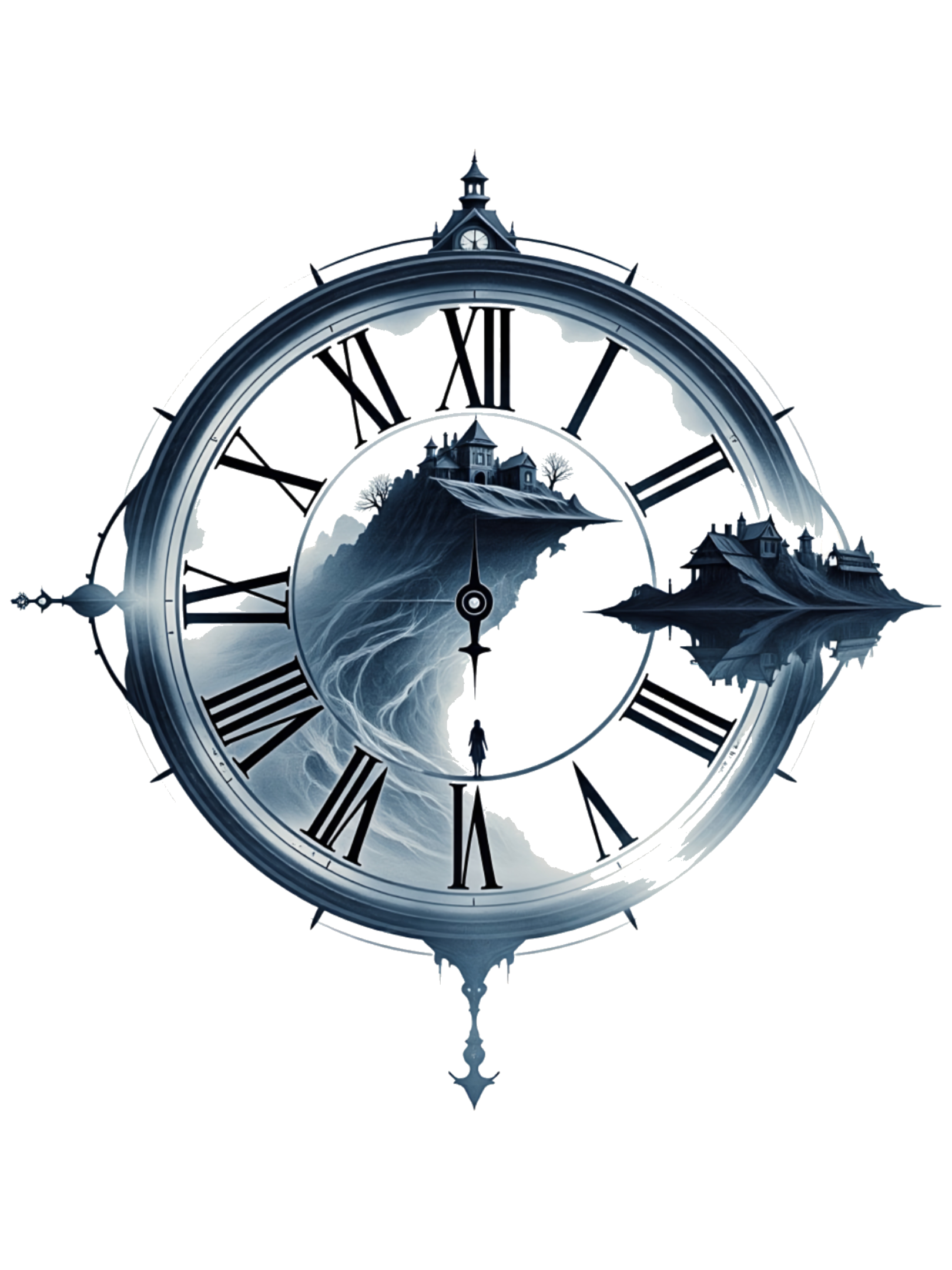
A haunting tale fuelled with internal conflict and loathing.
★★★☆☆

“The Kreutzer Sonata” by Leo Tolstoy is a haunting tale that delves deep into the author’s internal conflict and loathing. This controversial novel, published in 1890, exposes Tolstoy’s fervent Christian ideals, his struggles with lust, the hypocrisies of nineteenth-century marriage, and his contemplation of the role of art and music in society.
Tolstoy’s writing style is undeniably powerful, with vivid descriptions and an intense emotional undercurrent that keeps the reader engaged throughout. The exploration of complex themes, such as love, jealousy, and societal expectations, is thought-provoking and evokes a strong response.
My favourite aspect of the book is Tolstoy’s ability to capture the inner conflicts of his characters. The turmoil experienced by Pozdnyshev is palpable, and the author’s introspective narrative allows readers to delve into the depths of his troubled mind.
However, “The Kreutzer Sonata” can be likened to a sermon, with Tolstoy using the story as a platform to express his own philosophical beliefs.
I would recommend this book only to those who are genuinely interested in exploring Tolstoy’s internal struggles and his perspectives on love, marriage, and art. While it may not be for everyone, “The Kreutzer Sonata” offers a unique glimpse into the mind of one of literature’s greatest authors.
 Julian Shaw
Leave a comment